A period should never be a lesson learned too late.
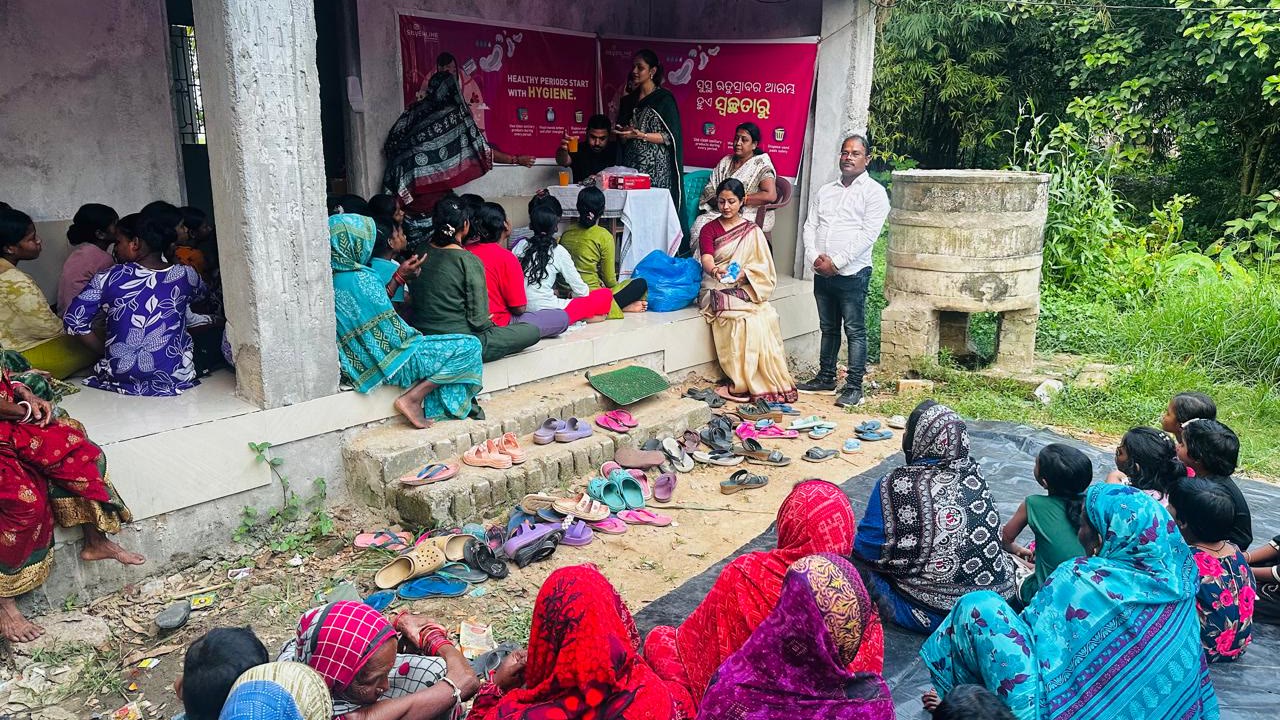
At a menstrual health and hygiene camp in village Sisilo in Balianta block, Odisha, women and young girls gathered with questions and gynaecological concerns that too often remain unspoken. The turnout made one thing clear: the need is not limited to menstrual products or treatment. There is also a deep need for accurate information, trusted conversations and timely access to qualified care.
SilverLine conducted the camp with a team of doctors who offered free medical consultations and distributed medicines. Alongside that care, the gathering created something equally important—a respectful space where participants could listen, ask and begin replacing uncertainty with knowledge.
Your browser does not support embedded video. Download the camp video.
A glimpse of the menstrual health and hygiene awareness session in village Sisilo, Balianta block, Odisha.
The real gap is not menstruation—it is information
Menstruation is a natural bodily process, yet silence and stigma can make ordinary questions feel difficult to ask. Young people deserve clear, age-appropriate information before their first period and continued support as they grow. Women also need environments in which menstrual pain, heavy bleeding, irregular cycles or other concerns can be discussed without embarrassment or dismissal.
The World Health Organization describes menstrual health as more than hygiene. It includes access to accurate information, suitable menstrual materials, water and sanitation, timely diagnosis and care, freedom from stigma, and the ability to participate fully in everyday life. That wider understanding shaped the purpose of this camp: awareness and healthcare must work together.
Care met conversation
During the camp, doctors provided consultations for participants who sought support. Medicines were distributed where appropriate, while the awareness session addressed the everyday knowledge needed to manage menstruation with dignity and confidence.
The consultations were private. No attendee, diagnosis or individual medical concern is identified here. What can be shared is the wider lesson: when trusted health professionals and community conversations meet in the same place, people are more able to ask for help and recognize when a concern deserves medical attention.
Menstrual health is not a private burden. It is health, dignity and everyday knowledge.
What meaningful menstrual-health awareness should include
Good awareness is practical, respectful and free from shame. Every girl and woman should be able to:
- understand that menstruation is a normal bodily process;
- access accurate, age-appropriate information about periods and the menstrual cycle;
- use clean menstrual materials and change, wash or dispose of them safely;
- access clean water, private sanitation and safe disposal facilities;
- talk to a trusted adult or qualified healthcare professional without embarrassment; and
- seek medical care when pain, bleeding, mood changes or cycle patterns are worrying or disruptive.
Awareness should never blame girls for what they have not been taught. Families, schools, health workers, institutions and community leaders all share responsibility for making reliable information available early and consistently.
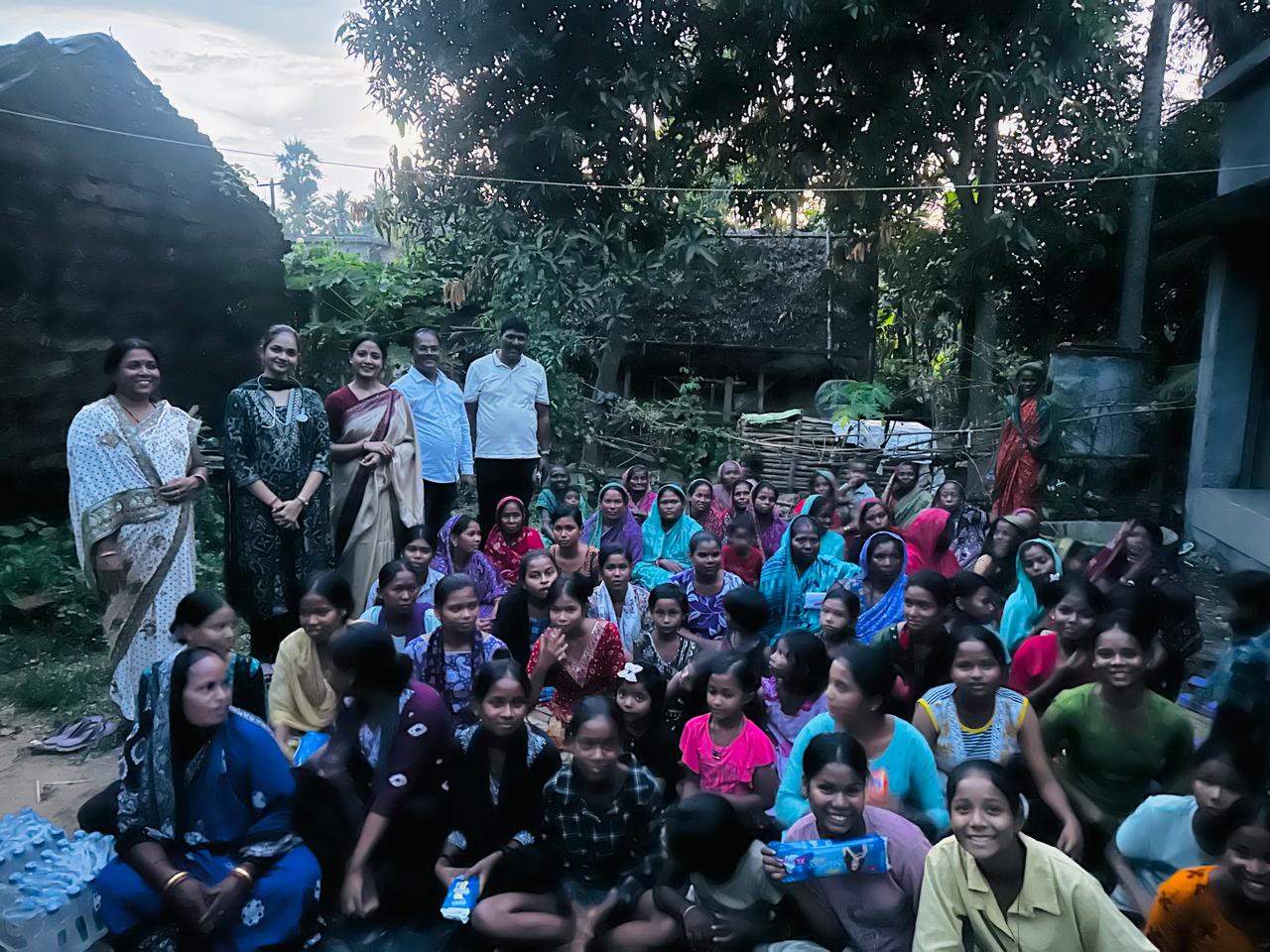 Participants and organisers at the community menstrual-health camp in village Sisilo, Balianta block, Odisha.
From one camp to an everyday conversation
A single health camp cannot close every gap. It can, however, open a door. It can make the next question easier to ask, help a family replace a myth with a fact, or encourage someone to seek professional care rather than remain silent.
The most upsetting part of the day was not that questions existed. Questions are healthy. It was the reminder that many young people still reach adolescence without the basic menstrual-health knowledge they need. Changing that requires more than an occasional campaign. It requires regular, informed conversations at home, in schools, in healthcare settings and across the community.
SilverLine will continue to use awareness, community participation and respectful communication to help bring issues affecting women and girls into the open. Because when menstrual knowledge becomes common knowledge, dignity becomes easier to protect.
Let us replace silence with facts, stigma with support, and delayed care with timely guidance.
Further reading
This article provides general health awareness and does not replace individual medical advice, diagnosis or treatment. Please consult a qualified healthcare professional about personal symptoms or concerns.