Menstrual health is not only a matter of personal hygiene. It is closely connected with dignity, health, privacy, bodily autonomy, equality and access to education.
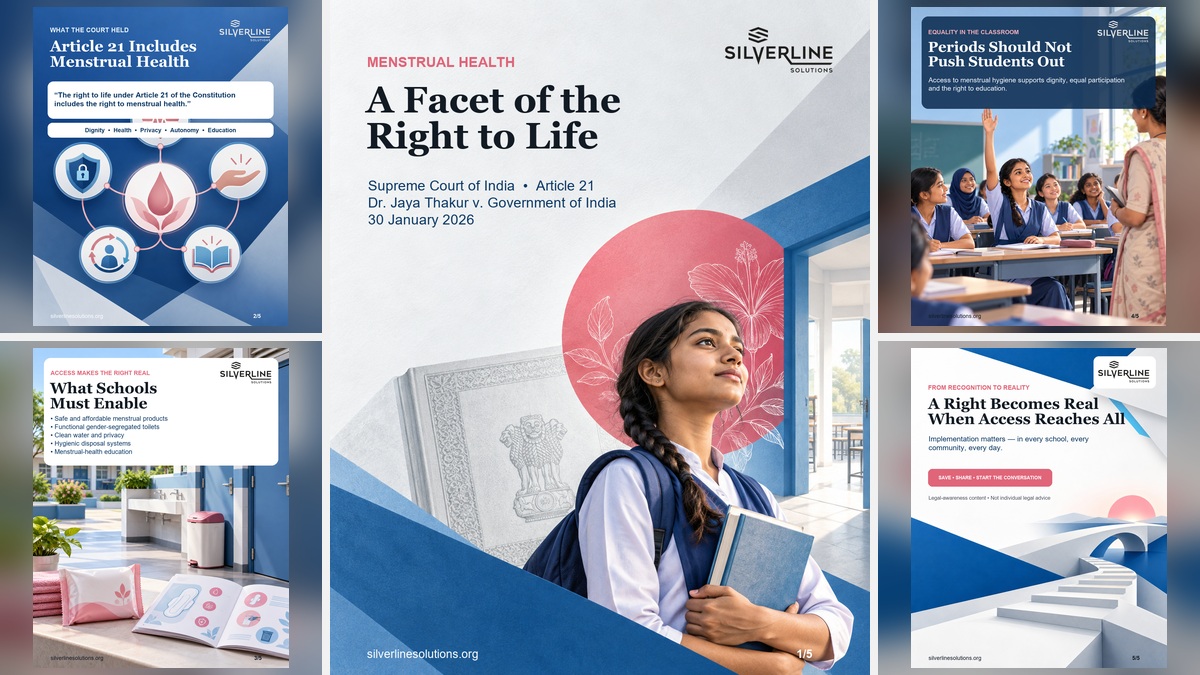
In Dr. Jaya Thakur v. Government of India & Ors., reported as 2026 INSC 97, the Supreme Court of India addressed menstrual health in the context of the fundamental right to life under Article 21 of the Constitution. The judgment, delivered on 30 January 2026, recognises that the right to life includes the right to menstrual health.
Why this recognition matters
Constitutional recognition places menstrual health within a wider framework of dignity and equal participation. When a student cannot obtain menstrual products, use a safe toilet, access clean water or dispose of products hygienically, the consequences can extend beyond discomfort. Privacy, confidence, health and participation in education may all be affected.
The judgment therefore helps move the public conversation away from treating menstruation as a private inconvenience or a source of stigma. It frames menstrual health as an issue of rights, public infrastructure and institutional responsibility.
What meaningful access in schools requires
Recognition becomes meaningful when it is reflected in everyday conditions. For school-going girls, a supportive menstrual-health environment includes:
- safe and affordable menstrual products;
- functional, gender-segregated toilets;
- clean water and adequate privacy;
- safe and hygienic disposal facilities; and
- accurate, age-appropriate menstrual-health education and support.
These measures work together. Providing products without private and functional sanitation facilities is incomplete. Infrastructure without accurate education may leave stigma and misinformation untouched. A rights-based response must consider both physical access and the social environment in which students manage menstruation.
Dignity and equal participation
Periods should not push students out of classrooms or prevent them from participating confidently in school life. Menstrual-health support helps protect continuity in education and promotes an environment in which students are treated with dignity rather than embarrassment or exclusion.
This is also why the issue concerns the wider community. Families, educators, school administrators, public authorities and civil-society organisations can all contribute to informed discussion, stigma reduction and practical access.
From recognition to reality
A right becomes real when it can be exercised in every school and community, every day. The judgment is an important legal milestone, but implementation remains essential. Policies, budgets, facilities, education and accountable delivery must work together so that constitutional recognition produces practical change.
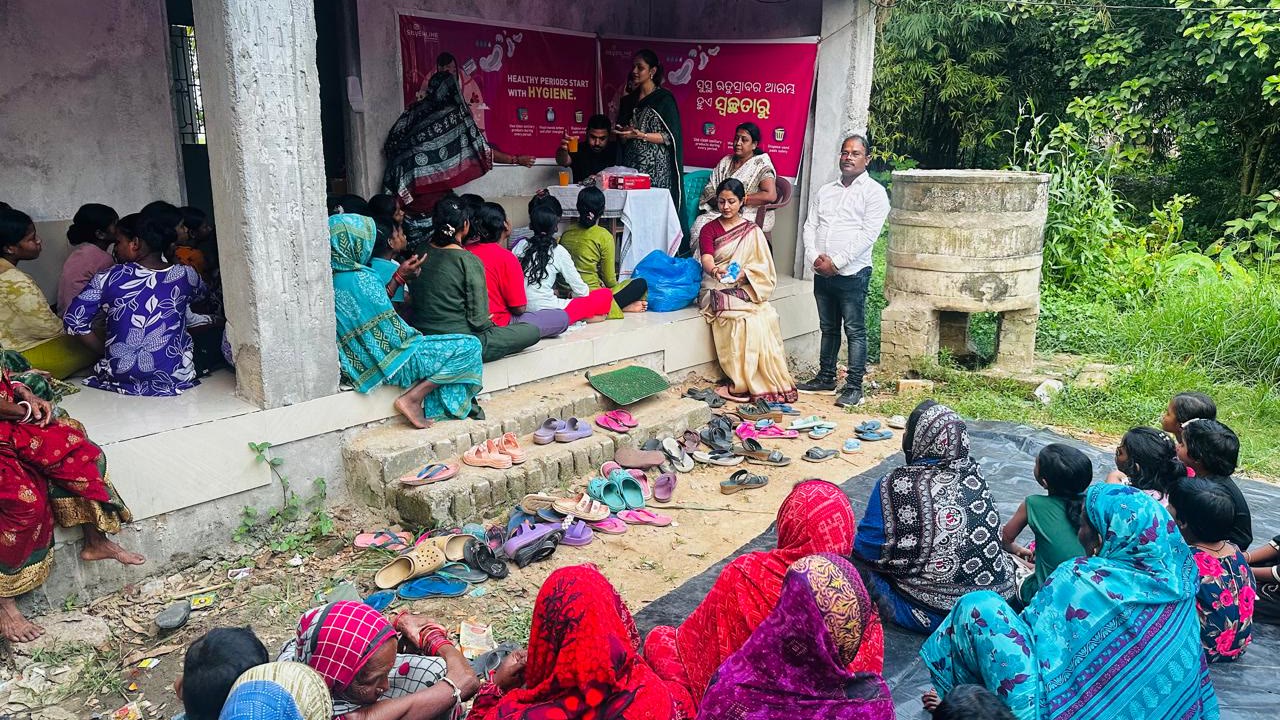
Silverline Solutions supports accessible legal awareness and respectful conversations around menstrual dignity. By sharing accurate information and speaking about menstruation without shame, communities can help move the conversation from stigma to dignity—and from recognition to real access.
Primary source: Supreme Court of India, Dr. Jaya Thakur v. Government of India & Ors., 2026 INSC 97, judgment dated 30 January 2026.
This article is for general legal and health awareness. It does not constitute individual legal or medical advice.